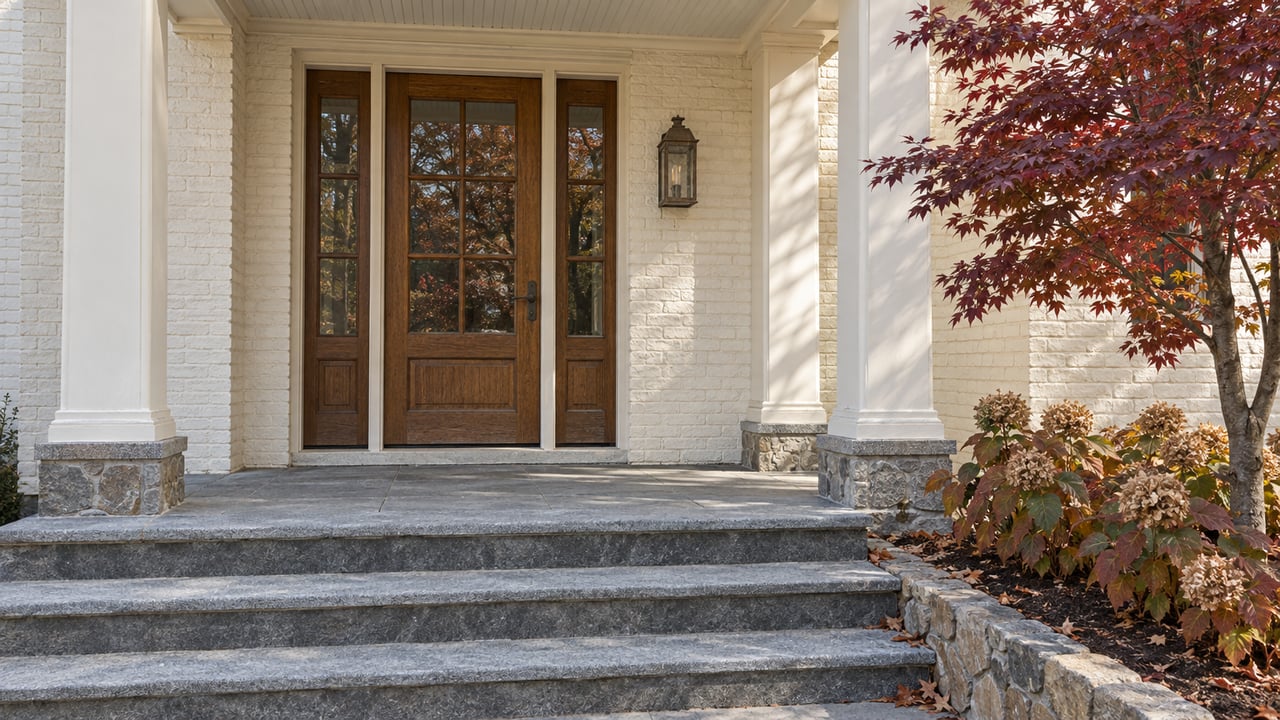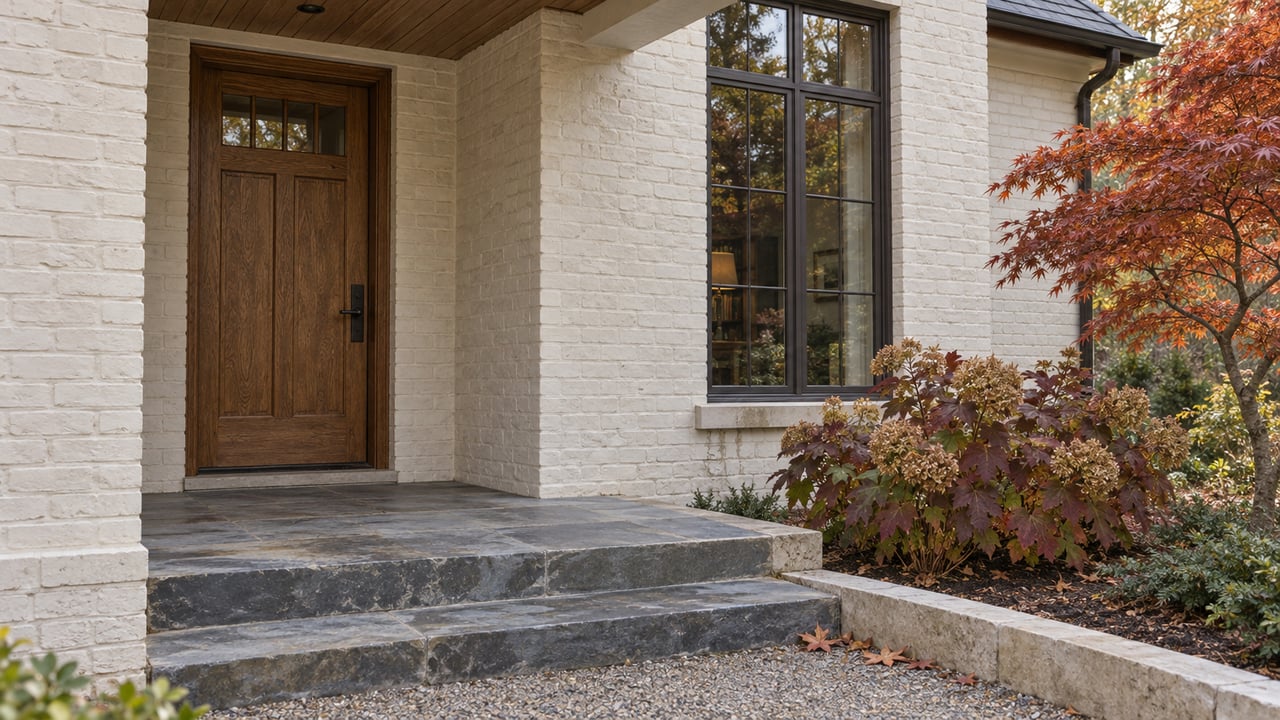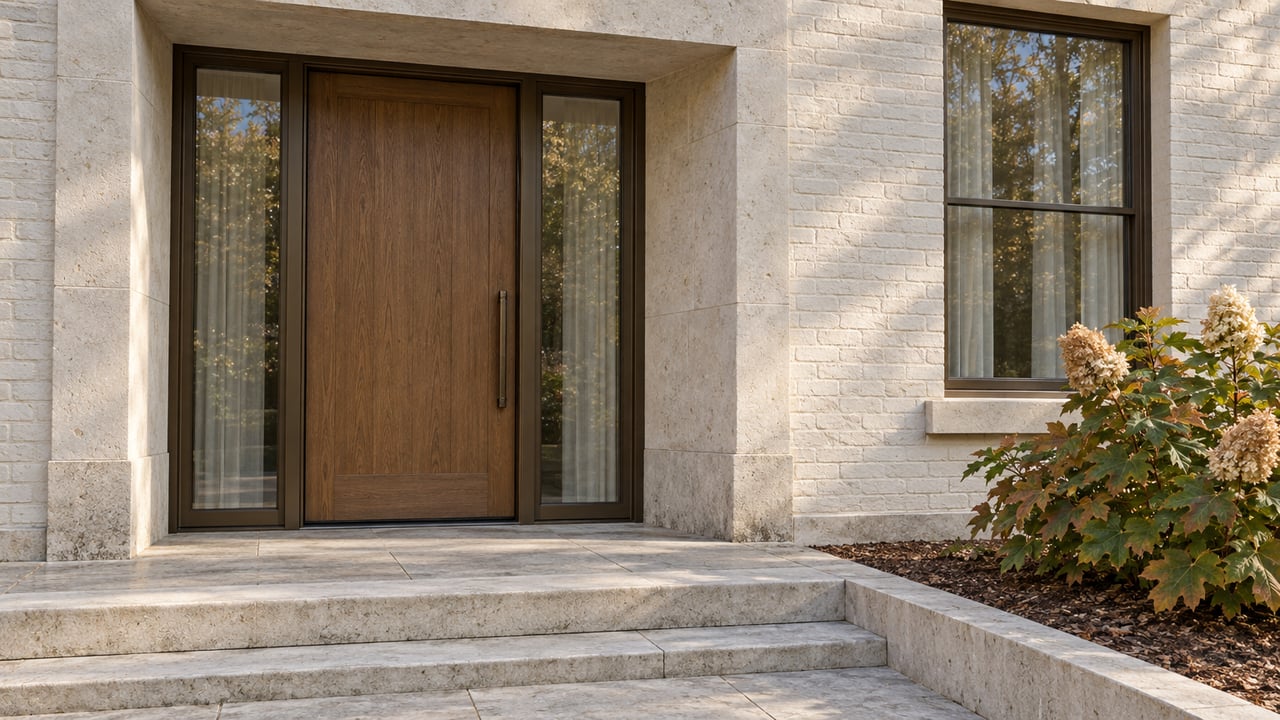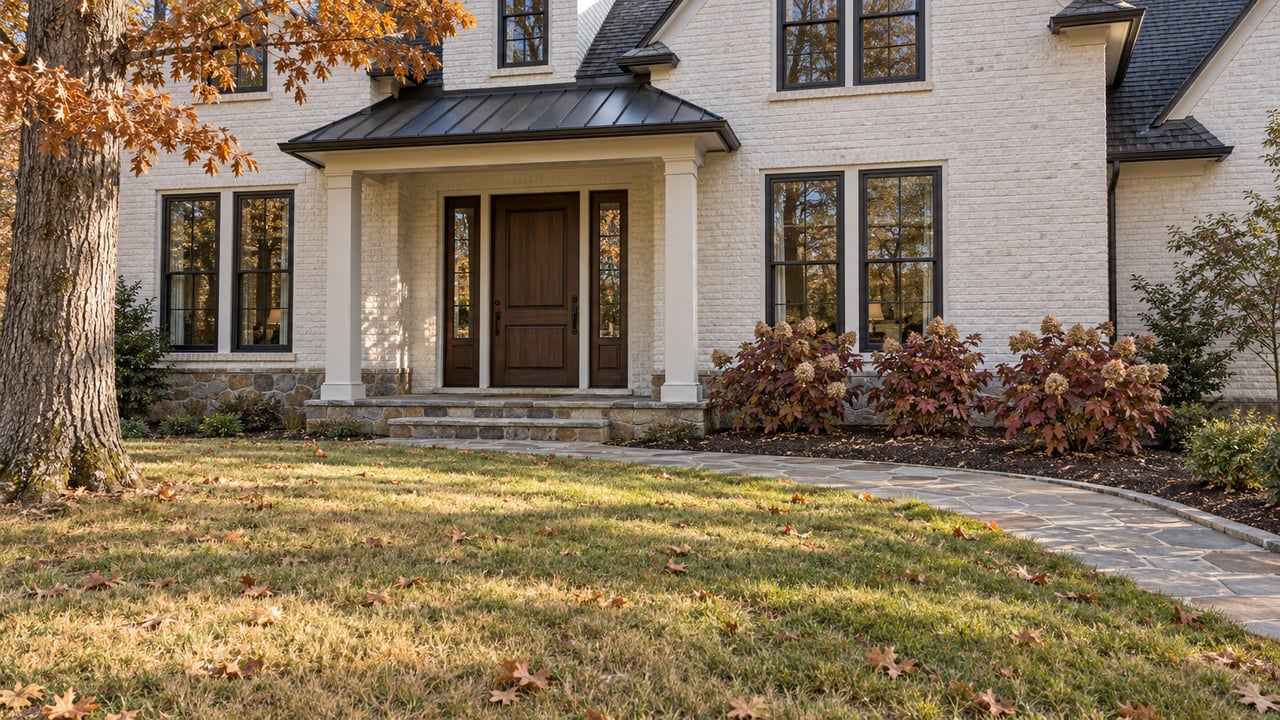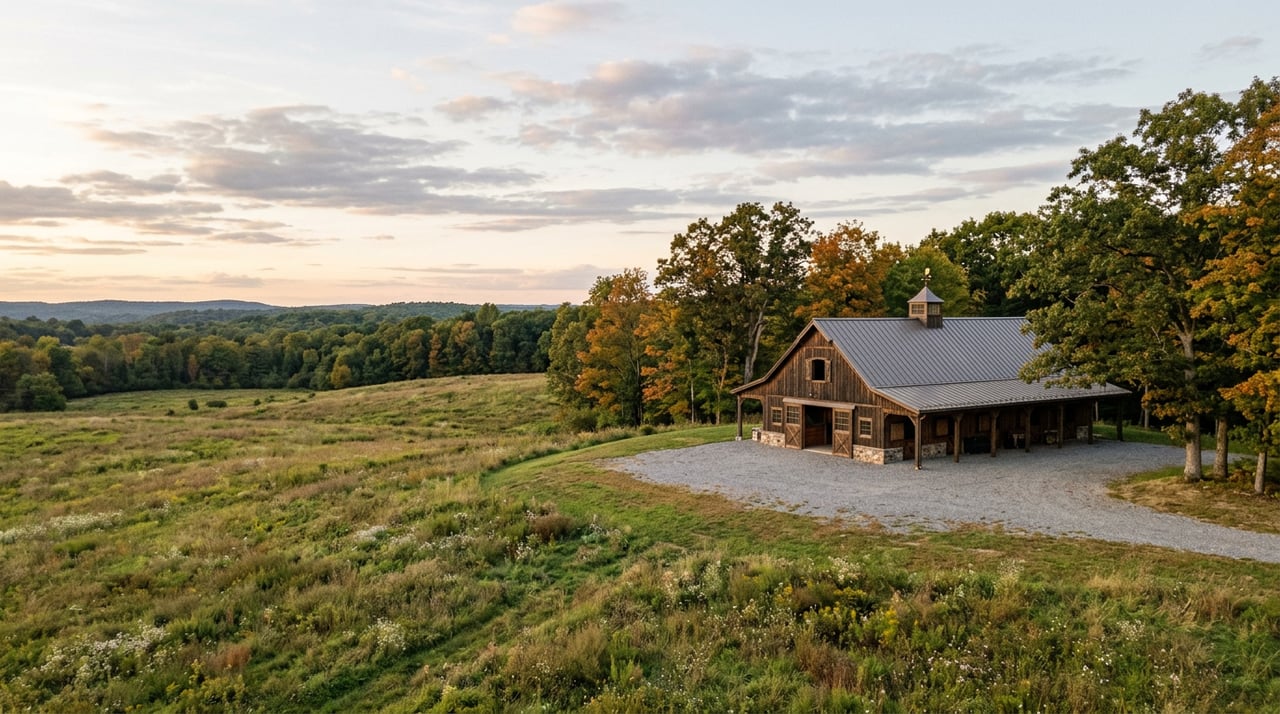
A buyer touring a new townhome above Heritage Walk in Market District Crabapple and a buyer touring a six-acre horse property off Birmingham Road are, in most people's minds, shopping in two different markets. One is buying walkability, a rooftop view, proximity to the farmers market and Crabapple Fest. The other is buying pasture, a barn, distance from anyone else's porch light.
They are not shopping in two different markets. They are looking at opposite ends of the same trade, one that Milton wrote into its zoning code more than a decade ago and that is still moving money and paperwork in both directions today. Understanding that trade changes what a buyer of either type of property should be asking before they sign.
The Trade Written Into Milton's Code
In June 2012, Milton adopted the Crabapple Form-Based Code, one of the earlier uses of a transfer of development rights framework in Georgia real estate. The idea is simple to state and easy to miss in practice: according to Appen Media, a landowner with five or more acres of qualifying rural land, zoned AG-1 or T-2, can voluntarily give up the right to develop that land in the future. In exchange, the city issues that owner a certificate, a transferable development right, that can be sold. A developer building in downtown Crabapple can buy those certificates and use them to build at a higher density than the base zoning would otherwise allow.
That is the entire mechanism. The countryside gets permanently capped. The town center gets permission to grow taller and denser than it could on its own. Neither side of that exchange happens without the other.
Milton's own program description puts it plainly: the goal is protecting farmland, habitat, and environmentally sensitive land while directing growth toward areas the city has already decided are suitable for it. The city's Transfer of Development Rights program page lays out the mechanics, and it is worth reading if you own, or are considering buying, land on either side of this line.
What Gets Locked In on the Sending Side
The clearest recent example of the sending side happened in February 2025, when the Milton City Council voted on a conservation easement for 6.7 acres at Birmingham and Henderson Roads. The property was zoned agricultural, contained a tree buffer along the road, pastureland, and a riding area with animals on it, exactly the kind of rural, equestrian-adjacent character Milton's comprehensive plan singles out for preservation. Because it met the criteria, city staff recommended the easement, which Smart Preservation says permanently limits the property to one dwelling per parcel or one per 25 acres, whichever is greater, in exchange for a TDR certificate the owner can sell to a developer working in Crabapple or Deerfield.
The City of Milton takes no ownership and pays nothing. The owner keeps the land, keeps living on it or working it, and simply gives up the right to ever subdivide it into a neighborhood. What they receive instead is a certificate with real market value to a developer three miles away.
This matters for anyone evaluating acreage near Crabapple for equestrian or lifestyle use. A working horse property large enough to meet the five-acre minimum, with pasture, a riding ring, or other agricultural features, may already qualify as a sending site even if the current owner has never explored it. A property like Fortitude Farm, a 13.25-acre parcel on Wood Road that went before Milton's Design Review Board for a 180-by-130-foot covered riding arena, illustrates the scale and character of property that fits the sending-site profile: well over the five-acre threshold, actively used for horses, sitting in the AG-1 core the code is built to protect. Whether a given farm's rights have already been sold is not something a listing sheet will tell you. It is something a title search and a call to Milton's Community Development Department will.
What Gets Unlocked on the Receiving Side
The receiving side is what residents watch rise along Heritage Walk and Mayfield Road: the eight buildings of Market District Crabapple, the mixed-use building at Town Center East, the townhomes at Lakeside at Crabapple, the newer infill at Echo at Crabapple. Density above the base allowance is not automatic. The code sets a base density for each transect zone, and a separate, higher ceiling that only becomes available when a developer has purchased TDRs to spend.
The numbers are specific enough to matter for anyone trying to understand why one Crabapple block feels different from another.
| Zone | Density as of right | Maximum density with purchased TDRs |
|---|---|---|
| T-4 (Neighborhood General) | 5 units per acre | 9 units per acre, using 2 TDRs at the code's 2:1 transfer ratio |
| T-5 (Urban Center) | 9 units per acre | 14 units per acre |
In T-4, that 2:1 ratio means every TDR a developer buys is worth two bonus building units, where a unit is either one dwelling or 2,250 square feet of non-residential space. A one-acre T-4 parcel that would otherwise cap out at five units can reach the code's maximum of nine only by buying two of those certificates from a landowner somewhere else in Milton. The density above a building's base allowance is, in a very literal sense, purchased from someone else's decision to stop developing their land.
The Question a Buyer Should Actually Ask
For a buyer comparing a walkable Crabapple property to acreage nearby, the honest framing is not "which lifestyle do I want." Both sides of that choice are shaped by the same policy, and each carries a due-diligence question the other does not.
If you are buying acreage, the question is whether the property's development rights have already been sold. A recorded conservation easement runs with the land in Fulton County's official records, and it permanently limits what any future owner, including you, can build. That is not necessarily a downside. For a buyer who wants a working horse property and has no interest in ever subdividing it, a prior TDR sale can mean the land is protected from being surrounded by new rooftops, and the tax and easement history are simply part of understanding what you are buying. For a buyer who hoped to eventually add a second homesite or divide the land among family, it is a hard constraint worth knowing before closing rather than after.
If you are buying new construction in Crabapple's denser core, the question is closer to reassurance than warning. The density above the base allowance was not left to chance. It required a developer to acquire specific, recorded rights, and the same code that let a building rise beyond its base density also permanently protects the rural land those rights came from. The character trade you are paying a premium for, walkable low-rise streets that will not quietly densify further beyond what the code already allows, has already been settled on the other side of town.
A Couple of Questions We Get
Does every large property near Crabapple automatically qualify as a TDR sending site? No. Milton's staff and council evaluate each property against specific criteria: a minimum of five acres, AG-1 or T-2 zoning, and natural or agricultural features, tree cover, pasture, stream buffers, that support the rural character the program is built to preserve. The February 2025 Birmingham Road vote shows the kind of property that fits: agricultural zoning, existing pasture, and an active riding area.
How would I find out if a property has already sold its development rights? A conservation easement tied to Milton's TDR program is recorded with Fulton County and referenced in the property's title history. Milton's Community Development Department, at 678-242-2600, can also confirm a parcel's TDR status directly. This is a worthwhile question for a buyer's agent to raise early in due diligence, particularly on any acreage parcel that looks unusually undervalued relative to its size.
Crabapple's two markets only look separate from the road. Underneath them is one zoning decision, still being made property by property, that determines how much of Milton's rural character survives and how much of its downtown gets to grow. If you are weighing a walkable lot against acreage with a barn, or you own land that might already qualify to send its rights somewhere else, that is exactly the kind of local mechanism worth walking through with someone who works this market and this niche daily.
Katharine McQueen has spent years advising buyers and sellers across North Fulton's equestrian and land-rich properties, and understands both sides of Crabapple's zoning trade from firsthand experience. Let's Connect to talk through what a specific parcel, on either side of that line, actually means for you.
This article is general information, not legal, tax or financial advice. Consult a qualified professional about your situation.